
Teenagers at home
A child who has gone quiet, or angry
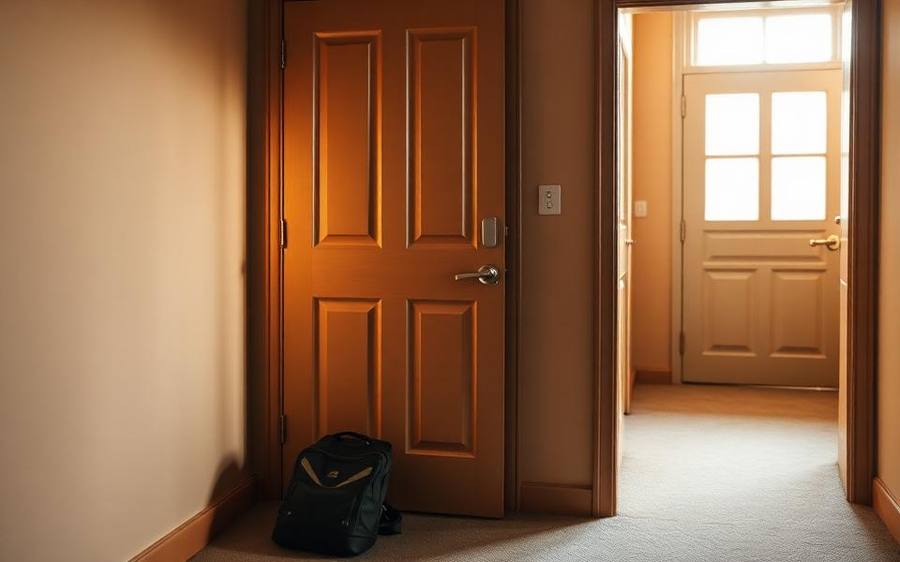
The door stays shut. Answers are one word long. Or everything turns into a fight, and you find yourself managing the temperature of the house all evening.
What it looks like day to day
Sleep that has slipped to the wrong hours. School that has become a daily negotiation. Friends who have changed, or gone. A phone that is the only place anything seems to be happening.
Parents usually describe the same two worries: that something is wrong, and that asking about it makes it worse.
Why it becomes a standoff
At this age privacy is not rejection, it is development. But when a parent is worried, the natural response is to ask more, and the natural response to being asked more is to say less.
Both sides are acting reasonably and the gap keeps widening. That is the pattern, rather than either person being the problem.
What counselling actually does about it
Your child gets a room that is theirs, with someone outside the family who is not going to react. That alone often loosens things.
Alongside that, work with you as parents looks at what to hold firm on and what to let go, how to raise a subject without it becoming an interrogation, and how to keep the relationship open while the difficult stretch passes.
What a first session covers
Mostly listening. Sometimes that first session is with the parents, sometimes with the young person, and we decide together which makes more sense before you come.
If it is more urgent than this
If your child is at risk of harming themselves, please do not wait for an appointment. Contact emergency services or go to your nearest hospital. This practice is not an emergency service.

If this sounds familiar
You do not need the full story to write. A line about what has changed at home is enough.